
Are you wondering what’s the difference between a sofa and a couch? You’re not alone. These two terms get tossed around almost interchangeably, but there are subtle distinctions that can help you make smarter choices for your living room—and sound confident when you talk furniture. Whether you’re shopping for the perfect piece or just curious about the history and style behind these staples, we’re here to clear things up. In this guide, you’ll learn the key differences, common misconceptions, and practical tips so you can decide which works best in your home. Let’s dive in!
Definitions Sofa vs Couch
A sofa is defined as a long, upholstered seat with a back and arms, designed to comfortably seat multiple people. The word \”sofa\” comes from the Arabic term ṣuffa, which means a “bench” or “long seat.” It entered the English language through Turkish and French influences during the 17th century.
A couch refers to a similar piece of furniture—an upholstered seat with a back and arms—usually large enough to seat two or more people. The term \”couch\” originates from the Old French word couche, meaning “to lie down” or “recline,” highlighting its use as a place to stretch out.
In American English, the words sofa and couch are often used interchangeably, though some people may associate \”sofa\” with a more formal or elegant piece and \”couch\” with something casual or cozy. In British English, “sofa” is the more common term, while “couch” is less frequently used outside of specific contexts like medical settings or slang.
Understanding these definitions and origins helps clarify why people often mix the terms but sometimes use them to suggest different styles or vibes in their living spaces.
Key Differences Between Sofas and Couches
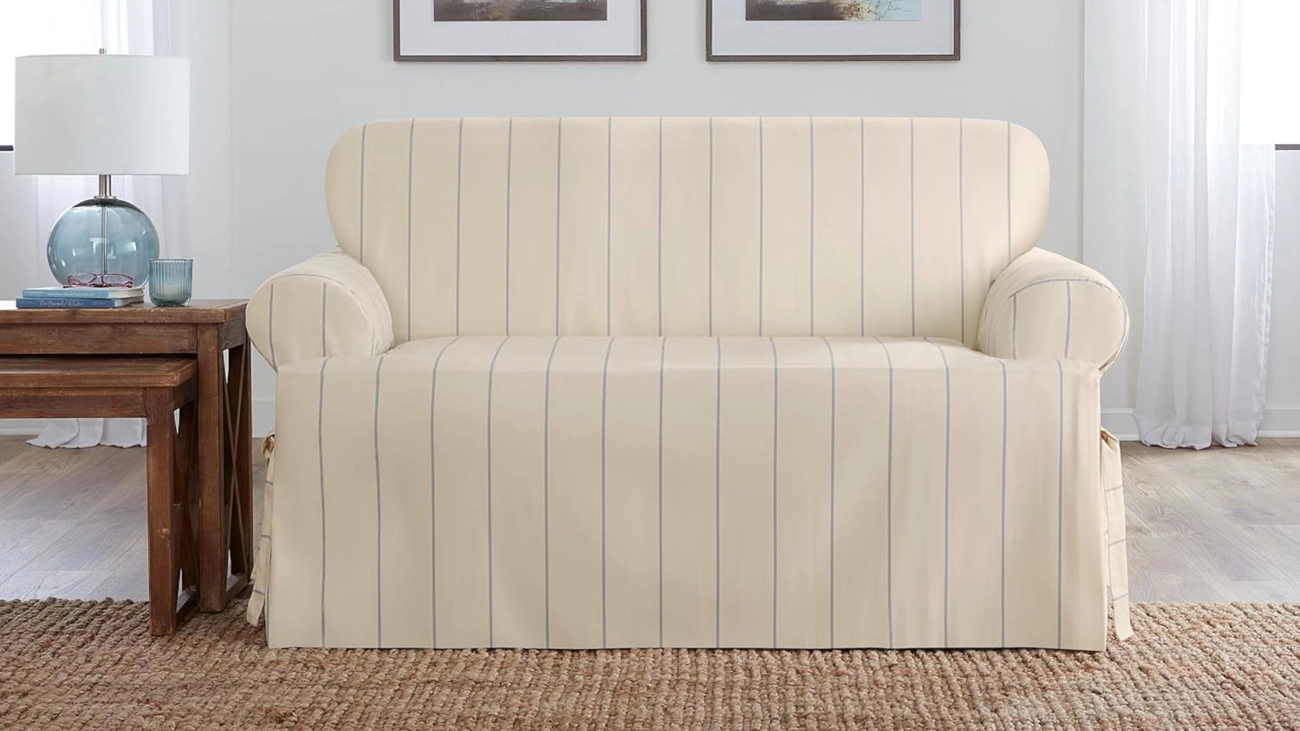
While \”sofa\” and \”couch\” are often used interchangeably, there are some subtle differences, especially when it comes to design, size, and use. Here’s how they typically differ:
Design and Structure
- Sofas usually have a more structured shape with uniform cushions and defined armrests. They tend to be more formal, featuring tailored designs with a focus on symmetry and style.
- Couches often have a softer, more casual look. Their cushions might be looser and the arms less defined or rounded, creating a cozy, relaxed feel.
Size and Seating Capacity
- Sofas are generally larger, designed to seat three or more people comfortably. They’re great for bigger living rooms or entertainment spaces.
- Couches can vary but are often smaller or medium-sized, frequently seating two to three people. The term sometimes applies to sectionals or loveseats too.
Functionality
- Many couches offer multifunctional features like reclining backs or the ability to convert into a sleeper, making them ideal for casual, everyday use.
- Sofas are more likely to focus on style and comfort without additional functions, although some do come with built-in recliners or sofas beds as well.
Formality and Common Usage
- In general, sofa is considered the more formal term and is often used in catalogs, interior design, and upscale furniture stores.
- Couch is more casual and common in everyday conversation, especially in American homes.
Upholstery and Materials
- Sofas tend to come in a wider variety of materials and finishes, from sleek leather to high-end fabrics, emphasizing durability and elegance.
- Couches are usually upholstered in softer fabrics that prioritize comfort and warmth, such as microfiber or plush cotton blends.
Understanding these differences can help you pick the right piece that fits both your space and lifestyle needs.
Historical and Cultural Context
The words sofa and couch have evolved a lot over time. Originally, a sofa referred to an elegant piece of furniture with upholstered seats and wooden frames, often linked to formal living spaces. The term comes from the Arabic word suffah, meaning a bench or platform to sit on. Over the centuries, sofas became associated with style and sophistication, often featured in high-end homes.
On the other hand, couch has a more casual background. It comes from the French word coucher, meaning to lie down. Historically, couches were seen as more relaxed furniture where people could recline or nap. This casual vibe made the couch popular in family rooms and informal settings.
Regional preferences shape how these terms are used today, especially between American and British English. In the U.S., couch and sofa are often used interchangeably, but some people see couches as more casual and sofas as more formal. In the U.K., the word couch is less common; people usually say sofa or even settee.
You’ll also find these terms pop up in literature and pop culture reflecting their different vibes. For example, the “Friends” TV show famously mentions the couch as a cozy, lived-in spot, while classic books often describe a sofa as a symbol of refinement. This mix has helped blur the lines, making the words easy to swap in everyday talk.
Similarities Between Sofas and Couches

Sofas and couches share many similarities, which is why people often use the terms interchangeably. Both are upholstered seating furniture designed to provide comfortable seating in living rooms or other indoor spaces. They usually have cushions, backrests, and armrests, making them cozy spots to relax, watch TV, or entertain guests.
Here’s why the overlap happens:
- Functionality: Both offer seating for multiple people and serve the same basic purpose—comfort and style in your home.
- Indoor Use: Sofas and couches are intended for indoor use, blending into living room setups, family rooms, or dens.
- Comfort: They prioritize comfort with upholstery and cushioning, making them perfect for lounging.
- Style Variety: You can find sofas and couches in many styles, sizes, and fabrics, which adds to the confusion between the two terms.
Because of these common features, many people don’t distinguish much between a sofa and a couch in everyday conversation, especially in American English where “couch” is often used casually. This overlap makes them basically interchangeable in most homes.
How to Choose Between a Sofa and a Couch for Your Home
Picking between a sofa and a couch comes down to what fits your lifestyle and space best. Here’s what to keep in mind:
-
Lifestyle Needs
If you have a family or entertain guests often, a larger sofa with more seating might be better. Sofas tend to be more structured and formal, which works well for gatherings. For casual lounging or smaller spaces, a couch with softer cushions and a relaxed feel could be ideal.
-
Space and Room Layout
Measure your living room carefully. Sofas generally take up more room and can define a seating area. Couches are often smaller or more versatile, making them suitable for apartments or cozy spots. Think about how you use your space daily.
-
Style and Décor with Formo Furniture
Formo Furniture offers a wide range of sofas and couches that fit various styles, from modern to traditional. Choose pieces that match your existing décor. For a sleek, upscale look, a sofa with clean lines might suit you. If you want warmth and comfort, a plush couch could blend better.
-
Comfort vs Aesthetic Priorities
Decide what matters most—comfort or style. Sofas often prioritize a polished look, while couches focus on cozy comfort. Formo’s collections provide options that balance both, so don’t hesitate to test out their pieces to find your perfect match.
By considering these points, you can confidently choose either a sofa or a couch that suits your home, lifestyle, and taste perfectly.
Popular Sofa and Couch Styles at Formo Furniture

At Formo Furniture, we offer a variety of popular sofa and couch styles that fit different tastes and home needs. Here are some of our best sellers and style options:
Best Sellers and Style Variations
- Modern Sofas: Clean lines and minimalist designs, perfect for a sleek living room.
- Classic Couches: Soft, rounded edges with plush cushions, great for cozy family spaces.
- Sectionals: Large, modular sofas that can be arranged to fit your room layout, ideal for entertaining.
- Loveseats: Smaller versions for compact spaces or additional seating.
- Sleeper Sofas: Multi-functional pieces that transform into beds, perfect for guests.
Materials and Custom Options
- We offer a wide range of upholstery materials including:
- Leather: Durable and easy to clean, adds a touch of sophistication.
- Fabric: Soft and breathable, available in many colors and patterns.
- Microfiber: Resistant to stains and great for families with kids or pets.
- Custom options allow you to pick colors, cushion firmness, and leg styles to match your décor.
Care and Maintenance Tips
- Leather Sofas: Wipe with a damp cloth regularly and use leather conditioner every 6 months.
- Fabric Couches: Vacuum weekly and spot clean stains promptly.
- Microfiber: Use a soft brush to refresh the texture and check manufacturer cleaning codes before applying any cleaners.
Choosing the right sofa or couch from Formo Furniture means picking quality and style that fits your lifestyle and home effortlessly.
Expert Tips on Using the Terms Correctly

When deciding whether to say sofa or couch in everyday conversation, it often comes down to context and personal preference. Here are a few quick tips to help you use the terms confidently:
-
Choose sofa for formal settings: The word \”sofa\” tends to sound more polished and is often used in professional or design contexts. If you\’re discussing home décor with an interior designer or browsing higher-end furniture catalogs, \”sofa\” is usually the preferred term.
-
Use couch for casual conversations: In relaxed, everyday settings, especially when chatting with friends or family, \”couch\” feels more informal and approachable. It’s the word most people use when they just want to say “comfortable seat” without any fuss.
-
Consider regional habits: In the U.S., both words are common, but some regions lean more toward one than the other. For example, “couch” is popular in the South, while “sofa” may be more common in urban or design-savvy circles.
Professional interior designers often favor the term sofa because it implies a certain style and structure—usually a piece meant to complement a living room’s décor. Retailers also tend to use \”sofa\” in product listings, especially for formal or contemporary models, while \”couch\” might appear more in casual or everyday lines.
In short, if you want to sound professional or are involved in buying guides and retail shopping, stick with \”sofa.\” If you want to keep it casual and comfy, \”couch\” works just fine. Either way, most people will understand you perfectly no matter which you choose.
Frequently Asked Questions FAQs
Can a sofa be called a couch?
Yes, in everyday conversation, people often use the terms sofa and couch interchangeably. Both refer to upholstered seating furniture designed for multiple people. However, some might say “sofa” sounds a bit more formal, while “couch” feels casual.
Is a loveseat a type of sofa or couch?
A loveseat is a smaller sofa or couch designed to seat two people comfortably. It shares features with both sofas and couches but is defined mainly by its size. Whether you call it a loveseat sofa or loveseat couch depends on personal or regional preference.
What about sectionals or futons?
Sectionals are large sofas or couches made of separate connected pieces, often forming an L or U shape. They offer flexible seating options. Futons are versatile pieces that function as both a sofa/couch and a bed, with a fold-out mattress. Futons lean more toward casual living spaces.
Understanding these common types helps you pick the right seating for your needs and use the right terms when shopping or talking about living room furniture.
 English
  Arabic
  Swedish
  Portuguese
  Dutch
Dutch  German