
If you own a leather couch, you already know it adds a touch of timeless elegance to your living space. But keeping that sleek look and supple feel? That takes the right care. In this guide, you’ll discover exactly how to care for a leather couch—simple, practical tips to clean, condition, and protect your furniture so it stays beautiful for years. Whether you’re battling everyday stains or preventing cracks and fading, these expert insights from Formo Furniture will help you make your leather couch last longer and look its best. Let’s get started!
Understanding Leather Types and Their Specific Care Needs
If you want to know how to care for a leather couch, the first step is understanding the type of leather you have. Not all leather is the same, and each kind demands different care to stay in great shape.
Here’s a quick overview of the common leather types used in couches:
-
Full-Grain Leather
This is the highest quality leather, made from the top layer of the hide with all its natural grain intact. It’s durable, ages beautifully, and develops a unique patina over time. It needs gentle cleaning and regular conditioning to maintain its natural oils.
-
Top-Grain Leather
Slightly sanded and buffed to remove imperfections, this leather is softer and more flexible than full-grain but less breathable. It handles cleaning well but still benefits from conditioners to avoid drying out.
-
Corrected Grain Leather
This leather is buffed to remove flaws and then coated with pigment or protective finishes. It’s easier to clean and more stain-resistant but can crack if neglected. Use cleaning products designed for finished leather.
-
Bonded Leather
Made by mixing leather scraps with bonding agents, this type is the least durable and prone to peeling. It needs gentle cleaning with mild products and less frequent conditioning than authentic leather.
Care methods differ between these types mainly because of their finish and durability. For example, harsh cleaners can damage bonded or corrected grain leather but might be fine for tougher full-grain.
How to identify your leather type
- Check the label or manufacturer details if available.
- Look closely at the texture and finish: Full-grain shows natural markings, corrected grain looks uniform and smooth.
- Feel the leather: Full-grain and top-grain are soft but firm; bonded feels thinner and more artificial.
- Try a small water test: Genuine leather absorbs moisture slowly, while bonded leather repels water or feels sticky.
Understanding your couch’s leather type sets you up for proper care — keeping your investment looking sharp and lasting longer.
Daily and Routine Care for Leather Couches
Taking care of your leather couch every day is key to keeping it looking great. Here’s what I recommend:
-
Dust and Wipe Regularly
Use a soft, dry cloth or a microfiber cloth to dust your couch at least once a week. For wiping, slightly dampen the cloth with water—avoid soaking it—and gently clean the surface. This keeps dirt and oils from building up without hurting the leather.
-
Avoid Harsh Tools
Stay away from rough brushes or paper towels that can scratch or dry out the leather.
-
Keep Away from Direct Sunlight and Heat
Sunlight can fade leather and cause it to crack, so place your couch away from windows that get strong sun rays. Also, keep it clear of heat sources like radiators, fireplaces, or vents to prevent drying out.
-
Control Moisture Exposure
Leather doesn\’t like moisture. Avoid spills and clean up any liquids immediately. Try not to place your couch in damp rooms where humidity could cause damage.
-
Use Protective Covers When Needed
If you have kids or pets, using a breathable cover can protect your couch from scratches, spills, and stains while still allowing air to flow.
-
Positioning Tips Indoors
Place your couch where there’s good air circulation but not in drafty spots that could dry out the leather unevenly. Avoid crowding it against walls where moisture could build up.
Following these simple daily and routine steps helps maintain your leather couch’s appearance and lifespan without extra hassle.
Cleaning Your Leather Couch Step-by-Step Guide
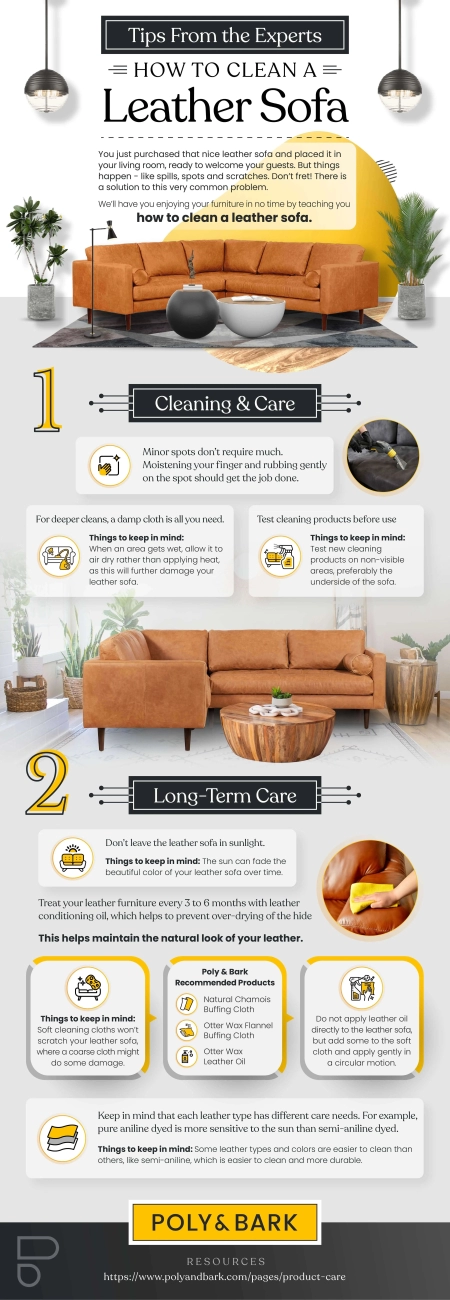
Keeping your leather couch clean is easier when you follow a simple routine. Here’s a straightforward guide on how to care for your leather sofa without causing damage.
Recommended Cleaning Agents
- Natural options: Use a mix of mild soap (like castile soap) diluted in water or a vinegar-water solution for light cleaning. These are gentle and safe for most leather types.
- Commercial products: Choose cleaners made specifically for leather couches, which you can find in local stores or trusted online retailers. Avoid any product with harsh chemicals, ammonia, bleach, or alcohol—they can dry out or stain your leather.
Spot Cleaning Stains
- Act fast on spills like food, ink, or pet hair.
- Blot (don’t rub) stains gently with a clean, dry cloth or a slightly damp microfiber cloth.
- For ink stains, use a leather-safe ink remover or rubbing alcohol sparingly, and always test first.
- Remove pet hair using a soft brush or vacuum with a brush attachment.
Deep Cleaning Frequency and Methods
- Deep clean your leather couch every 6 to 12 months, depending on use and environment.
- For DIY deep cleaning, mix equal parts distilled water and white vinegar and apply lightly with a soft cloth. Wipe away excess moisture afterward.
- Alternatively, trusted commercial leather cleaners work well for a thorough job without risking damage.
Testing Products Safely
Never apply any cleaner or conditioner over the whole couch right away. Instead:
- Choose an inconspicuous spot (like under the cushion or on the back side).
- Apply a small amount and wait 24 hours to check for discoloration or damage before using it extensively.
Following these steps will keep your leather couch looking fresh, soft, and well-maintained, extending its life without any guesswork.
Conditioning and Moisturizing Leather for Longevity
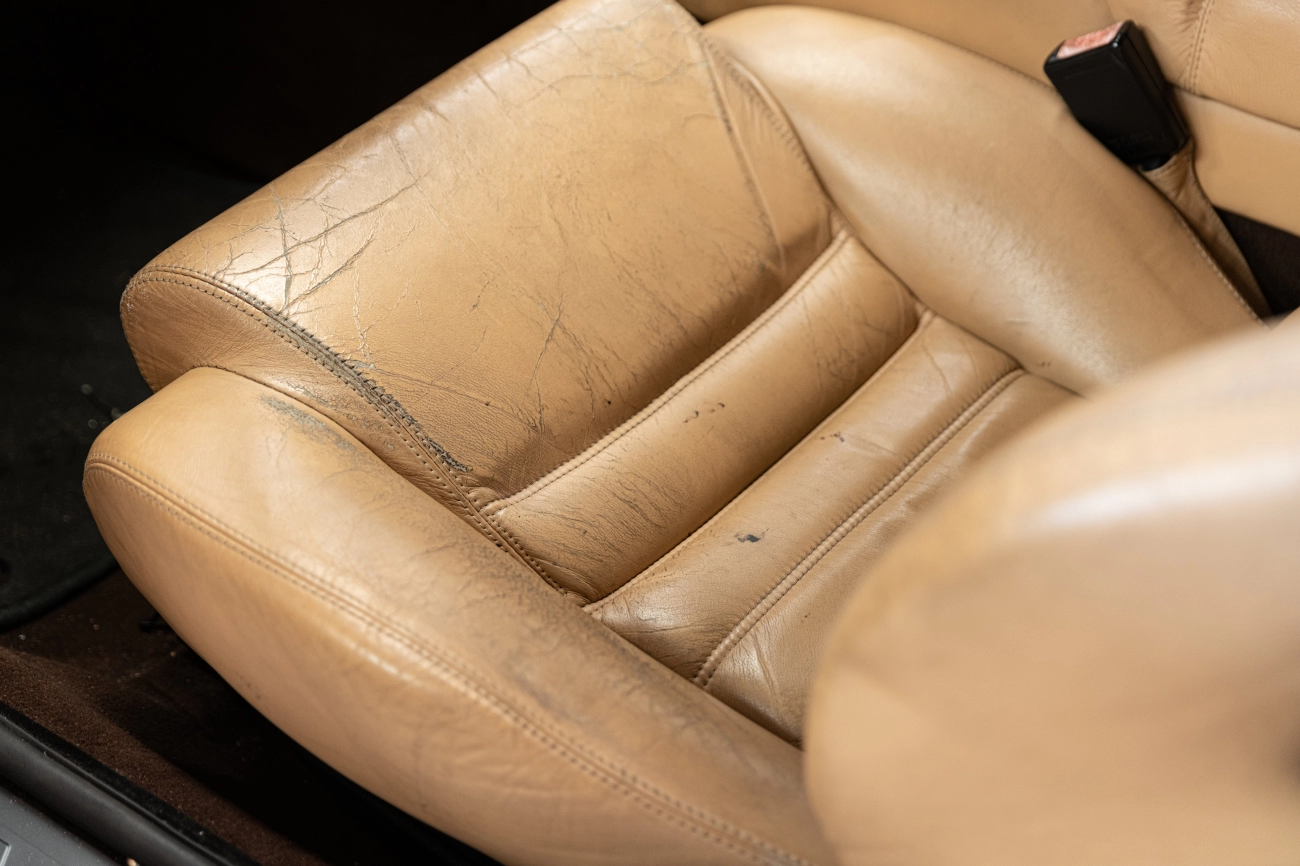
Conditioning your leather couch is key to keeping it soft, supple, and crack-free over time. Leather naturally loses moisture as it ages, especially in dry or heated indoor environments, which can lead to stiffness and cracking. Regular conditioning restores essential oils, helping your couch stay comfortable and looking great.
Why Conditioning Matters
- Prevents drying and cracking
- Maintains flexibility and softness
- Protects against fading and wear
- Extends the overall life of your leather furniture
Best Conditioners for Different Leather Types
- Full-grain and top-grain leather: Use natural oil-based or cream conditioners designed specifically for these high-quality leathers.
- Corrected grain leather: A lighter lotion or spray conditioner often works better, as these leathers are treated with coatings that might not absorb heavier products easily.
- Bonded leather: These often need milder formulas; avoid heavy oils that could cause peeling.
How Often to Condition Your Couch
- Condition every 6 to 12 months for most U.S. indoor climates.
- In dry or heated homes, conditioning every 4 to 6 months may be necessary to prevent dryness.
- More frequent conditioning could be required if your couch faces direct sunlight or dry air.
Step-by-Step Conditioning Process
- Clean first: Always clean your couch gently to remove dust or dirt before applying conditioner.
- Test the conditioner: Try a small amount on an inconspicuous area to check for color changes or adverse effects.
- Apply conditioner: Use a soft cloth to apply a thin, even layer in circular motions. Avoid soaking the leather.
- Let it absorb: Give it about 10-20 minutes for the conditioner to soak in.
- Buff gently: Wipe off any excess conditioner with a clean, dry cloth to avoid sticky buildup.
Keeping up with conditioning is one of the best leather couch cleaning tips to make sure your furniture stays beautiful and functional for years.
Preventing and Repairing Common Leather Couch Issues

Leather couches can develop cracks, peeling, and fading over time, especially if they aren’t cared for properly. To prevent these issues, keep your couch away from direct sunlight and heat sources, and make sure to regularly condition the leather. Conditioning keeps the leather moisturized and flexible, which helps avoid drying out and cracking.
For minor scratches and scuffs, you can often repair them at home using a few simple tricks:
- Use a leather conditioner or oil: Gently rub it into the scratched area to reduce the appearance.
- Apply a leather repair kit: Available at most local stores or online, these kits come with fillers and color-matching dyes.
- Try a gentle buff with a soft cloth: Sometimes, light scratches fade after a little rubbing.
If you see deep cracks, peeling areas, or large stains that won’t budge, it’s time to call in a professional leather repair service. They have the right tools and expertise to restore your couch without causing more damage.
Leather furniture can sometimes develop odors from pets, spills, or general use. To help manage smells:
- Regularly air out the room where the couch is located.
- Lightly clean the surface with a damp cloth and mild soap.
- Use leather-safe deodorizing sprays designed specifically for furniture.
- Avoid harsh chemicals that can damage leather or worsen odors.
Following these tips helps keep your leather couch looking great and smelling fresh for years.
Seasonal and Climate Considerations for Local Users
Leather couches can react differently depending on where you live and the season. Humidity, dry heat, and cold weather all affect leather’s condition, so understanding these changes helps you keep your couch looking great year-round.
How Humidity Affects Leather
- High humidity can make leather absorb moisture, leading to mold or mildew.
- In damp climates, keep your leather couch in a well-ventilated room. Use a dehumidifier if needed.
- Avoid placing leather furniture near open windows or areas prone to condensation.
Dealing with Dry Heat and Low Humidity
- Dry heat, common in many parts of the US during summer, can dry out your leather, causing cracks or stiffness.
- Use a leather conditioner more often during dry months to keep the leather soft and flexible.
- Keep your couch away from direct heat sources like radiators or heating vents.
Cold Weather Effects
- Cold air can make leather less pliable and increase the chance of cracks if the couch isn’t properly moisturized.
- Avoid sudden temperature changes; for example, don’t take your leather couch from a warm room to a freezing garage.
- Use a good leather conditioner and keep the furniture indoors away from cold drafts.
Special Tips for Local Weather
- In humid southern states, regular dusting and quick drying of spills prevent mildew buildup.
- In dry western states, condition your leather every 3 months or as soon as it feels dry.
- For northern states with cold winters, store your leather couch in a consistent temperature environment and condition before winter hits.
By adjusting your leather furniture care to the seasons and your local climate, your leather couch will stay durable and fresh no matter where you live.
Choosing the Right Leather Care Products Locally
Picking the right leather care products matters a lot when it comes to keeping your couch looking great. In local U.S. markets, you want to look for products that are specifically designed for the type of leather you have. Avoid anything with harsh chemicals like ammonia or bleach, as these can damage your leather over time.
Here are some tips on what to look for:
- pH-balanced formulas made for leather
- Natural oils or conditioners like mink oil or lanolin
- Products labeled safe for top-grain, full-grain, or corrected leather
- Non-toxic and fragrance-free options if you have kids or pets
If you’re shopping near you, stores like Formo Furniture often carry trusted leather cleaning and conditioning products tailored for their couches. They also offer their own cleaning lines specifically designed to protect and nourish leather furniture, which is worth checking out.
When buying leather care products:
- Always buy from reputable retailers to avoid knock-offs
- Check expiration dates and seal integrity
- Store products in a cool, dry place away from direct sunlight and heat
Having the right leather care kit on hand makes routine maintenance easier and ensures your couch stays soft, clean, and crack-free for years.
FAQs About Leather Couch Care
How often should I clean my leather couch?
For daily dust and dirt, wipe your leather couch with a soft cloth once a week. Deep clean every 3 to 6 months depending on use and exposure to dirt.
How often should I condition my leather sofa?
Condition your leather couch every 6 to 12 months to keep it soft and prevent cracking. More frequent conditioning may be needed in dry or cold climates.
Can I use regular soap or household cleaners on my leather couch?
No, avoid harsh chemicals and soaps as they can damage leather. Use cleaners made specifically for leather or gentle DIY solutions like diluted mild soap. Always test first in a hidden spot.
What’s the best way to remove stains from my leather sofa?
For ink or food stains, blot immediately with a clean cloth. Use a recommended leather cleaner or a mix of water and gentle soap. Avoid rubbing – it can spread the stain or damage the finish.
How do I protect my leather couch from sun damage?
Keep your couch out of direct sunlight or near heat sources. Use window treatments or reposition furniture to avoid fading and drying out.
Why is conditioning so important for leather?
Leather loses moisture over time, making it dry and prone to cracks. Conditioning replenishes oils and keeps leather supple, extending the life of your couch.
Can I repair scratches and scuffs myself?
Minor scratches can often be fixed using leather repair kits or by gently rubbing the area with a soft cloth. Deeper damage or peeling requires professional help.
How do climate and seasons affect leather furniture?
Leather reacts to humidity and temperature changes causing it to dry out or become stiff. Use a humidifier in dry winters and avoid extreme heat in summers to maintain leather health.
Where can I find the best leather care products?
Look for trusted local retailers or reputable online stores that specialize in leather care. Choose products suited for your leather type and store them in a cool, dry place.
If you want more details on maintaining your leather furniture, check out our guide on leather sofa maintenance routine.
 English
  Arabic
  Swedish
  Portuguese
  Dutch
Dutch  German